Need TV Repair Services in Nairobi?
Certified technicians dispatched to you — same day.
When your television displays a perfect picture but produces no audio, the issue is usually isolated to the sound system rather than the display hardware. This separation between video and audio pathways means the problem could stem from settings, connections, or external devices. Begin by confirming the television itself is not muted. Press the volume up button on the remote or the TV to ensure the mute function has not been accidentally enabled. Many users overlook this simple step, assuming a muted TV would display an on-screen indicator, but some models do not.
Next, verify the correct input source is selected. Modern televisions have multiple HDMI ports, component inputs, and sometimes coaxial or optical connections. If the TV is set to the wrong input, you may see a picture from one source while the audio attempts to play from another, resulting in silence. Use the input or source button on the remote to cycle through available options until the correct one is highlighted. Some TVs also allow input selection through an on-screen menu, which can provide clearer labels for each port.
If the input is correct, inspect the cables connecting external devices such as cable boxes, gaming consoles, or streaming sticks. Loose or damaged HDMI cables are a common cause of audio loss while video remains intact. HDMI cables carry both signals, but partial damage can disrupt audio alone. Try unplugging and firmly reconnecting both ends of the cable. If possible, test a different HDMI cable to rule out failure. For devices connected via component or composite cables, ensure the red and white audio RCA plugs are securely inserted into the corresponding ports.
Audio settings within the television or connected device may also suppress sound. Access the TV settings menu and navigate to the audio or sound section. Check if the TV is set to an external audio output, such as a soundbar or AV receiver, especially if you use such devices. If the TV expects sound to route through HDMI ARC or optical out but the connected sound system is off or improperly configured, the built-in speakers will remain silent. Disable external audio output temporarily to test the internal speakers.
Another setting to examine is the audio format. Some televisions and source devices support multiple audio formats like Dolby Digital, DTS, or PCM. If the TV does not support the format being sent by the connected device, it may fail to produce sound. In the audio settings, try switching the digital audio out or HDMI input format to PCM, which is widely compatible. Similarly, some streaming apps and cable boxes have their own audio output settings that may need adjustment.
External devices themselves can be the source of the problem. Restart the cable box, streaming device, or Blu-ray player connected to the TV. Power cycling these devices often resolves temporary glitches. If the issue persists, try connecting the device to a different HDMI port on the TV to test whether the original port has a defect. Some HDMI ports, particularly those labeled ARC, may have specific audio return capabilities that require compatible settings on both the TV and the connected sound system.
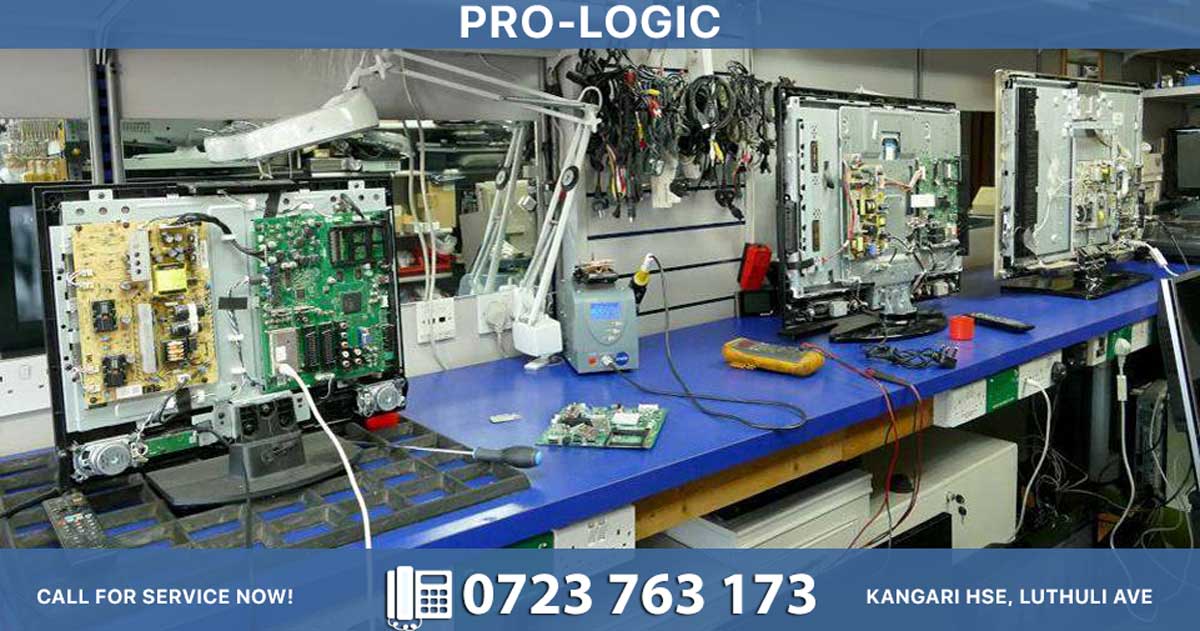
Hardware failures are less common but possible. The TV internal speakers or audio amplifier circuit could be faulty. Test this by connecting headphones or external speakers to the TV audio output jack. If sound plays through these external outputs, the internal speakers or their wiring may be defective. Conversely, if there is still no sound, the issue might lie with the audio processing board. In such cases, professional repair or replacement may be necessary.
Software issues can also cause audio loss. If the TV runs on a smart platform, a firmware update might resolve bugs affecting sound. Check the manufacturer website or the TV settings for available updates. Alternatively, a factory reset can restore default settings, though this should be a last resort as it erases custom configurations. Before resetting, document your current settings or take photos of the setup menus for easier restoration.
In summary, methodically check mute status, input selection, cable connections, audio settings, external devices, and hardware condition. Most sound issues with a working picture are resolved by addressing one of these areas without requiring professional intervention.