
Need Repair Services in Nairobi?
Certified technicians dispatched to you — same day.
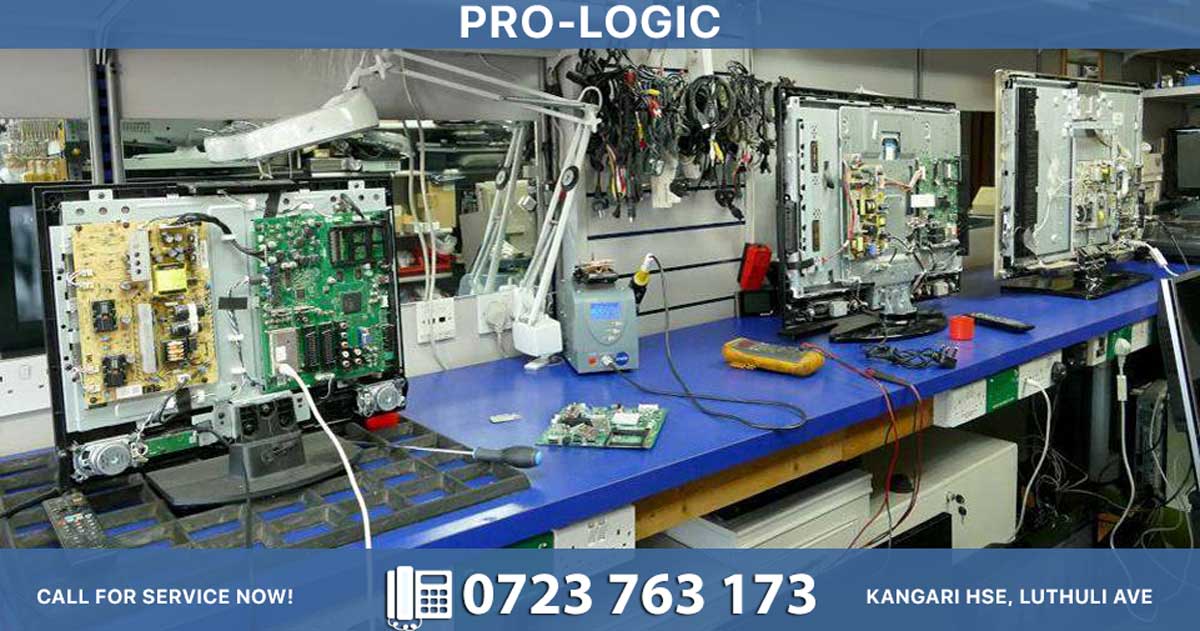
Home audio equipment carries significant electrical energy. A high-power amplifier may draw 10 amperes or more from the mains supply; a full home theatre system with receiver, amplifier, and subwoofer may present a total electrical load of 20 amperes or more. Improperly wired equipment, inadequate circuit protection, or ageing cables can create genuine safety hazards — shock risk, overheating, and fire. Safety inspection for audio systems in Nairobi verifies that your home theatre installation is electrically safe, correctly earthed, and protected against the power quality issues that are a specific risk in the Nairobi electrical environment.
What a Safety Inspection Covers
Safety inspection for audio systems begins with the incoming power supply. The technician verifies that the audio system is connected to a correctly rated electrical circuit — one with an appropriate circuit breaker or fuse, correct wire gauges for the load, and a functioning earth connection. In Nairobi, earth connections are sometimes absent or unreliable in older properties, creating a potential shock hazard with earthed audio equipment.
Surge protection is assessed. Nairobi's power supply is characterised by voltage spikes, transients, and occasional surges that damage sensitive electronic components. A safety inspection confirms whether adequate surge protection is in place — a quality surge protector or UPS on every significant component. Basic power strips without genuine surge protection provide no meaningful protection and create a false sense of security.
Equipment condition is inspected for safety-relevant defects. Frayed mains cables, cracked plug casings, overheating components, and signs of previous electrical faults are documented. Speaker cables with inadequate insulation that could create a short circuit between amplifier output channels are identified. Any component showing signs of imminent electrical failure is flagged for immediate attention.
A completed safety inspection for audio systems in Nairobi provides a documented record of the installation's safety status, any hazards identified, and the recommended remedial actions — giving homeowners the assurance that their system is not just high-performing but genuinely safe.
50. Electrical Load Testing Service in Nairobi
A home theatre system with a powerful subwoofer, multi-channel amplification, a projector, and ancillary components can place a substantial and dynamic electrical load on a home's wiring. During action film sequences with heavy bass content, power demand can spike dramatically as amplifiers drive speakers to their limits. If the electrical circuit supplying the home theatre is inadequately rated or shares supply with other heavy loads, voltage sag and current fluctuations can degrade audio performance and create electrical safety risks. Electrical load testing in Nairobi quantifies the actual power demand of your audio system and verifies that the electrical infrastructure is adequate to support it.
Why Load Testing Matters in Nairobi
Nairobi's residential electrical infrastructure varies significantly in quality. Older properties may have wiring installed under earlier regulations with lower current ratings. New developments sometimes share circuits across multiple rooms to reduce installation cost. Supply voltage in Nairobi nominally runs at 240V but can vary considerably — drops to 200V or below are common in some areas during peak demand periods, particularly in the early evening when home theatre systems are most likely to be in use. Electrical load testing establishes the baseline electrical environment the system must operate within.
The Testing Process
Electrical load testing in Nairobi uses a power analyser to measure the real power consumption, apparent power, power factor, and peak current draw of the complete audio system under various operating conditions. Measurements are taken at idle, at moderate listening levels, and during demanding content (high-level bass passages that drive peak power demand). The resulting data is compared against the rated capacity of the supply circuit and the rating of the protection devices.
Where the load testing reveals inadequate circuit capacity, the technician recommends a dedicated audio circuit — a circuit run directly from the distribution board to the home theatre location, with an appropriate circuit breaker rating and correctly gauged cable. A dedicated circuit eliminates noise induced by other appliances sharing the same circuit and ensures consistent voltage delivery to the audio system. Electrical load testing in Nairobi provides the evidence base for these recommendations, ensuring that infrastructure upgrades are made where genuinely needed.