Need TV Repair Services in Nairobi?
Certified technicians dispatched to you — same day.
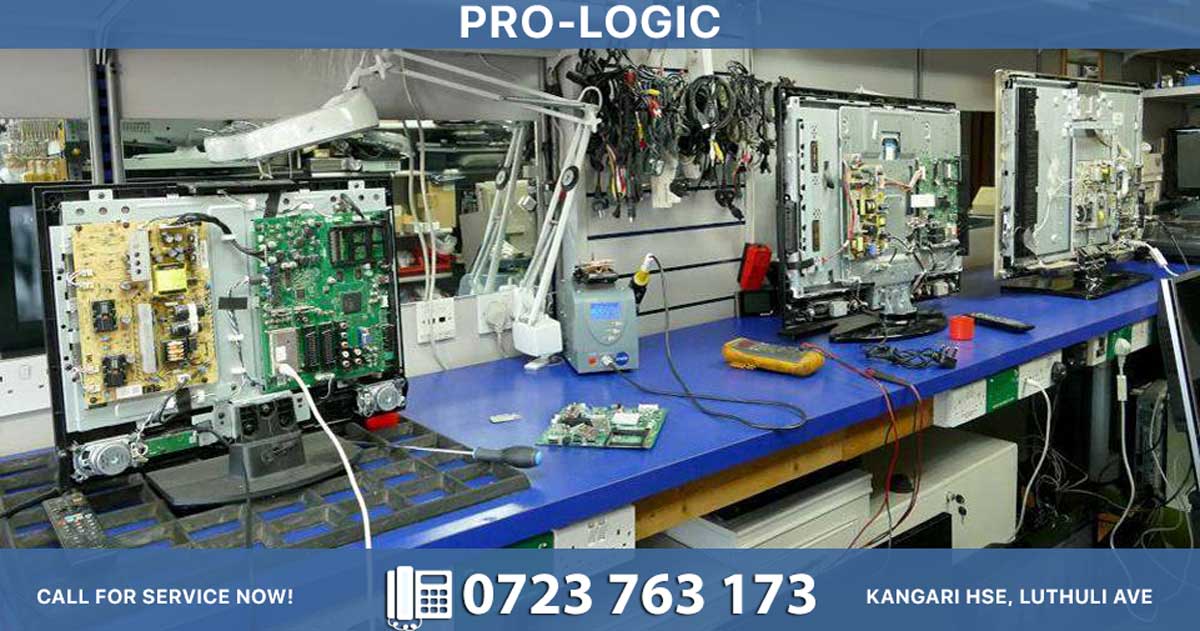
Understanding the difference between OEM (Original Equipment Manufacturer) and aftermarket parts is critical for ensuring quality, compatibility, and warranty protection in your repairs. Here's how to identify and distinguish between them:
Key Definitions
| Term | Meaning |
|---|---|
| OEM (Original Equipment Manufacturer) | Parts made by the same company that manufactured the original components for your device/equipment |
| OE (Original Equipment) | Parts your device was fitted with when made, even if made by another company |
| Aftermarket | Parts made by third-party companies not affiliated with the original manufacturer |
| Genuine | OEM parts sold in the equipment manufacturer's branded packaging |
Primary Differences
1. Packaging and Branding
-
OEM Parts: Come in the equipment manufacturer's branded box (e.g., Samsung, Apple, Toyota) with official logos
-
Aftermarket Parts: Packaged with the third-party manufacturer's name (e.g., Bosch, Lucas, Valeo) or generic branding
2. Part Number Identification
-
OEM Parts: Match the original part number exactly; include manufacturer's certification codes
-
Aftermarket Parts: May have different part numbers; look for ISO certification stamps
3. Quality and Materials
-
OEM Parts: Follow exact design, materials, and tolerances specified by the equipment manufacturer; guaranteed to fit perfectly
-
Aftermarket Parts: Quality varies widely—may use higher-quality materials (better performance) or substandard materials (shorter lifespan)
4. Price Comparison
-
OEM Parts: Generally 20-50% more expensive due to brand markup
-
Aftermarket Parts: Cheaper, often at fraction of OEM price
5. Documentation and Certification
-
OEM Parts: Provide certificates (CE, ISO, CoC) with full traceability
-
Aftermarket Parts: Many lack proper documentation; check for ISO International Organisation for Standardisation stamp
Quick Identification Checklist
✅ OEM Parts Indicators:
-
Box has equipment manufacturer's logo (Samsung, Apple, Toyota)
-
Exact match to original part number
-
Includes warranty certificate and traceability documentation
-
Perfect fit without modification
-
Higher price point
-
Valid if device/equipment still under manufacturer warranty
Aftermarket Parts Indicators:
-
Box shows third-party manufacturer name (Bosch, generic brand)
-
Different part number from original
-
May require adaptation/modification to fit
-
Lower price
-
Quality spectrum: from inferior to superior OEM
-
ISO certification stamp present (if certified)
Smartphone Spare Parts Example
| Component | OEM Example | Aftermarket Example |
|---|---|---|
| Display | Samsung-branded LCD in Samsung box | Generic LCD in supplier's box |
| Battery | Apple battery with Apple logo | Third-party battery (e.g., "PowerMax") |
| Charging Port | Original USB-C from manufacturer | Generic USB-C from repair shop supplier |
| Camera Module | Sony sensor in original packaging | Replaced sensor from aftermarket supplier |
Risks and Considerations
OEM Advantages:
-
Guaranteed compatibility and fit
-
Maintains equipment/device warranty
-
Predictable quality and lifespan
-
Full traceability and certification
Aftermarket Advantages:
-
Cost savings
-
Some high-end brands improve on OEM design (better performance)
-
Ideal for older devices/equipment (3-4+ years)
Aftermarket Risks:
-
May void warranty terms
-
Fit issues requiring modification
-
Substandard materials wear out faster
-
Unpredictable availability
-
Potential safety hazards if poorly made
Best Practices for Verification
-
Check ISO certification: Ensure aftermarket parts have ISO stamp
-
Verify part number: Compare with original documentation
-
Research brand reputation: Look for certified aftermarket brands (CAPA-certified for auto)
-
Inspect packaging: OEM has manufacturer branding; aftermarket has supplier branding
-
Test fit: OEM fits perfectly; aftermarket may need adjustment
-
Request documentation: OEM provides CE/ISO/CoC certificates
When to Choose Each
Choose OEM When:
-
Device/equipment under warranty
-
Critical safety components
-
Perfect fit required
-
Budget allows higher price
Choose Aftermarket When:
-
Older device/equipment (3-4+ years)
-
Non-critical or backup systems
-
Cost is highest priority
-
Certified and independently tested
For Nairobi repair shops at Kangari Building, OEM parts ensure customer satisfaction and warranty protection, while certified aftermarket parts offer budget alternatives for older devices.