Need TV Repair Services in Nairobi?
Certified technicians dispatched to you — same day.
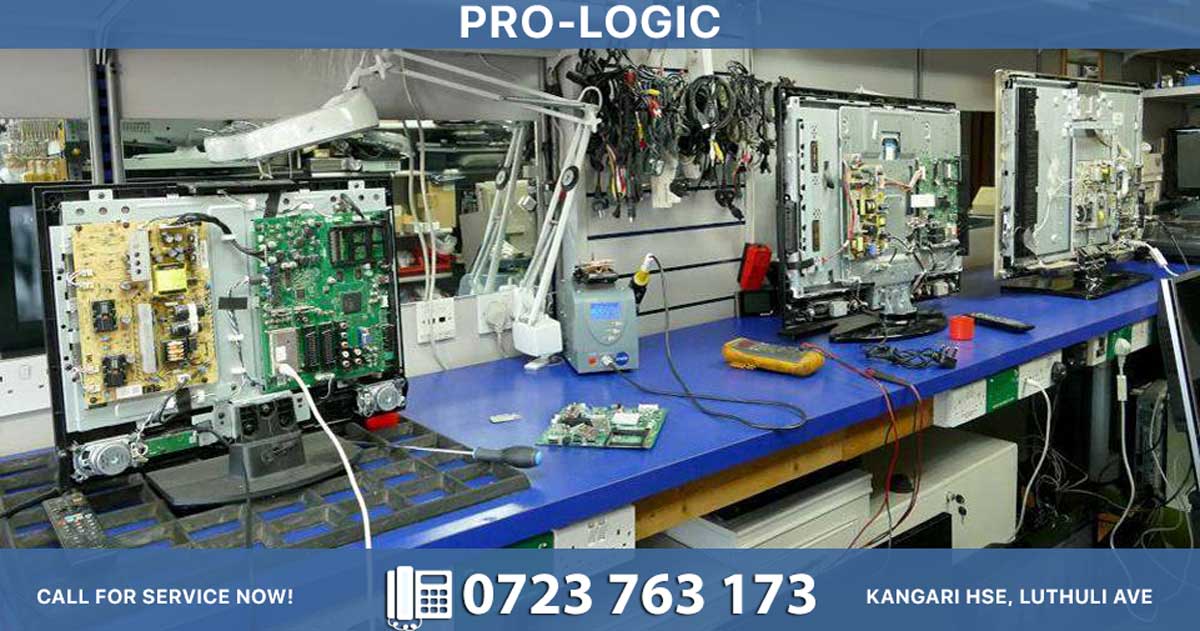
How to Diagnose and Repair a TV That Won’t Turn On
A TV that won’t turn on can be a frustrating issue, but it's often something that can be fixed with the right knowledge and tools. Whether your TV shows no signs of life or it powers on and off intermittently, diagnosing the problem can save you time and money. In this article, we will walk you through the steps to diagnose and repair a TV that refuses to turn on, helping you get your television back up and running.
Step 1: Check the Power Source
The first step in troubleshooting a TV that won’t turn on is to ensure that the power source is functioning properly. Here are some basic checks you should perform:
- Check the power outlet – Plug another device (such as a phone charger or lamp) into the same outlet to verify that it’s providing power. If the outlet is faulty, try plugging the TV into a different outlet.
- Check the power cord – Inspect the power cord for any visible damage. A frayed or broken cord can prevent the TV from turning on. If damaged, the cord will need to be replaced.
- Try a different power cable – If you have a compatible power cord from another device, try using it to rule out a problem with the cable itself.
If the power source is working and the cord is undamaged, proceed to the next step.
Step 2: Inspect the Remote Control and Buttons
Sometimes, the issue might not be with the TV itself but with the way it's being turned on. Try the following checks:
- Test the remote control – Ensure that the remote control has fresh batteries. If the batteries are low or dead, the remote might not send a signal to the TV to turn on.
- Check the TV’s power button – Use the physical power button on the TV (if accessible) to see if it turns on. If it does, the problem may lie with the remote control, which could require a battery change or a reset.
- Power reset using the remote – For some models, performing a reset on the remote by removing the batteries, pressing any button for a few seconds, and reinserting the batteries may fix the issue.
If none of these steps work, the issue could lie within the TV itself, requiring further investigation.
Step 3: Perform a Hard Reset
A hard reset can help clear any temporary issues that might be causing the TV to fail to turn on. Here's how to perform a hard reset:
- Unplug the TV from the power source – Disconnect the power cord from the electrical outlet.
- Wait for 1-2 minutes – Allow the TV’s internal components to fully discharge and reset.
- Press and hold the power button – While the TV is unplugged, press and hold the power button on the TV for about 30 seconds. This helps to discharge any residual power in the TV’s system.
- Plug the TV back in – After waiting and holding the power button, plug the TV back into the outlet and press the power button to turn it on.
If the TV still does not turn on, you may need to investigate internal components.
Step 4: Examine the TV’s Power Supply Board
If the TV remains unresponsive after checking the power source and performing a hard reset, the issue might lie with the power supply board. This component is responsible for converting the electricity from the wall into a format the TV can use. Here's how to check:
- Unplug the TV – Always ensure the TV is unplugged before performing any internal inspections.
- Remove the back panel – Use a screwdriver to carefully remove the screws and open the back of the TV. Keep track of the screws and place them in a safe location.
- Inspect the power supply board – Look for any visible signs of damage, such as burnt or discolored areas, bulging capacitors, or loose wires. If you notice any damage, the power supply board may need to be replaced.
- Test the power supply board – Using a multimeter, you can test the power supply board for continuity and verify that the output voltages are within normal ranges. If the power supply board is faulty, it may need to be replaced by a qualified technician.
Step 5: Inspect the Backlight
Another potential cause of a TV that won’t turn on is an issue with the backlight. If the TV’s screen is black but you can hear sound, it’s possible that the backlight is malfunctioning. To check the backlight:
- Shine a flashlight – With the TV on, shine a flashlight at an angle onto the screen. If you can faintly see an image, it suggests that the backlight is not working.
- Test the backlight inverter – If the image is faint, the problem could lie with the backlight inverter, which provides power to the backlight. A faulty inverter may need to be replaced.
- Examine the backlight bulbs – If the backlight is not working at all, the issue could be with the individual backlight bulbs. Replacing these requires removing the panel and installing new bulbs or strips, depending on the TV model.
Step 6: Inspect the Mainboard
The mainboard, or motherboard, is responsible for processing the signals from the remote, controlling the screen, and communicating with the power supply. If the TV is not turning on, the mainboard could be faulty. To inspect the mainboard:
- Look for burnt components – After removing the back panel, inspect the mainboard for burnt or damaged components.
- Check for loose connections – Ensure all cables and connectors on the mainboard are secure. A loose or disconnected wire can prevent the TV from functioning properly.
- Replace the mainboard – If you identify any damaged components that cannot be repaired, replacing the mainboard may be necessary.
Step 7: Seek Professional Help
If all the above steps fail to resolve the issue, it may be time to consult a professional technician. TV repair shops in Kenya specialize in diagnosing and fixing complex issues that require specialized tools or knowledge.
Before taking your TV to a repair shop, check for warranties, as the problem might be covered under the manufacturer’s warranty. If you prefer to handle the repair yourself, a professional technician can offer insights or parts that might be difficult to find on your own.
A TV that won’t turn on can be caused by several factors, ranging from simple issues like a faulty remote to more complex problems like a damaged power supply or mainboard. By following the steps outlined in this guide, you can diagnose and potentially repair your TV at home. However, if you are unsure or uncomfortable with any of the steps, don’t hesitate to seek professional help to ensure the problem is properly addressed.
By understanding the common causes of a non-functioning TV, you are better equipped to take the right actions to restore it to full working condition