Need TV Repair Services in Nairobi?
Certified technicians dispatched to you — same day.
HDMI connection issues can manifest in various ways, including no picture, no sound, flickering, or intermittent dropouts. The first step in troubleshooting is to verify the basics. Ensure the HDMI cable is securely connected to both the TV and the source device. A loose connection is a common cause of HDMI problems. Inspect the cable for visible damage, such as bent or broken connectors, frayed wires, or cuts in the cable jacket. HDMI cables are more fragile than they appear, and physical stress can damage the internal wires.
Try a different HDMI cable. HDMI cables come in different versions, such as Standard, High Speed, Premium Certified, and Ultra High Speed. For modern 4K, HDR, or high-refresh-rate content, a High Speed or Ultra High Speed cable is necessary. An older or low-quality cable may not support the bandwidth required by the source device, leading to connection issues. Replace the cable with a certified high-speed HDMI cable to rule out this possibility.
Test the HDMI port on the TV by connecting a different device, such as a Blu-ray player or gaming console, to the same port. If the new device works, the original source device may be the issue. If the new device also fails to connect, the HDMI port on the TV may be faulty. Similarly, test the source device with a different display to confirm it is functioning correctly. If the source device works with another TV, the problem likely lies with the original TV or its HDMI port.
HDMI handshake issues are a common source of connection problems. The HDMI handshake is the process by which the source device and the TV negotiate the best possible resolution, refresh rate, and audio format. If this handshake fails, the connection may drop or not establish at all. To reset the handshake, power off both the TV and the source device, unplug them from the power outlet, and wait several minutes. Then, plug them back in and power them on, starting with the TV first, followed by the source device. This process often resolves handshake issues.
Check the HDMI settings on both the TV and the source device. Some TVs have an HDMI mode or input label setting that can affect compatibility. For example, some ports may be designated as ARC (Audio Return Channel) for soundbars, and using a non-ARC device in an ARC port can cause issues. Similarly, the source device may have HDMI output settings that need adjustment. Gaming consoles, for instance, often have resolution and HDMI color settings that should match the TV capabilities. Set the console to output RGB Full Range for most TVs, and ensure the resolution is supported by the TV.
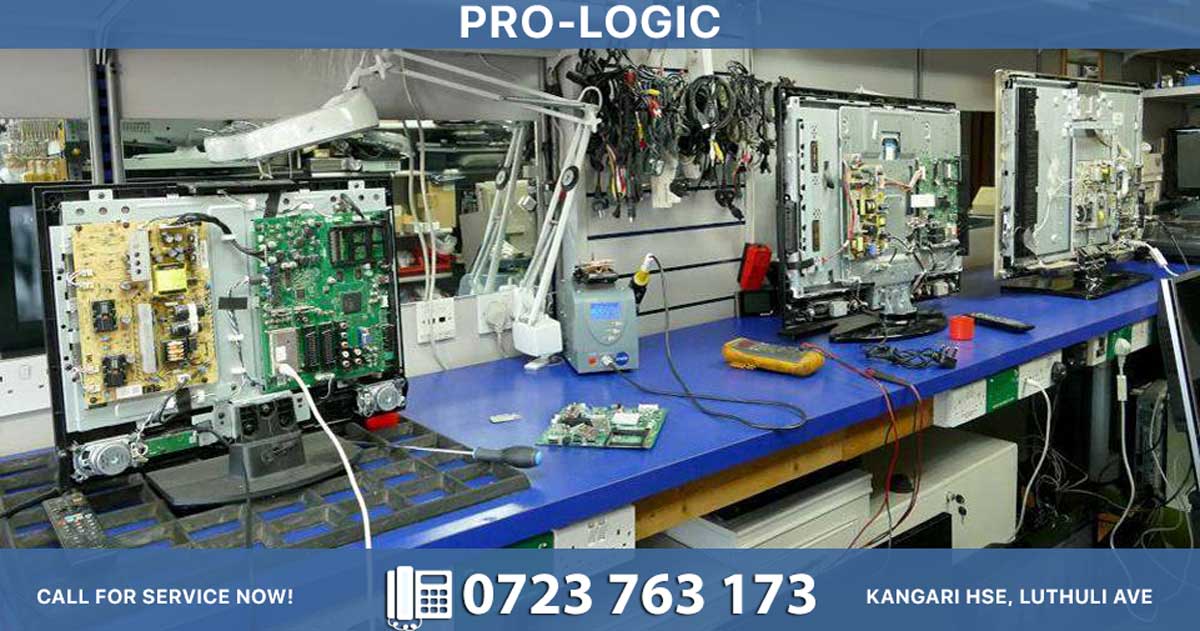
If the HDMI port on the TV is confirmed faulty, there are limited options for repair. HDMI ports are soldered to the main board, and replacing them requires desoldering the old port and soldering a new one, which is a delicate process best left to professionals. If the TV has multiple HDMI ports, use a different one if possible. For TVs with only one HDMI port or where all ports are faulty, the main board may need replacement, which can be costly. In such cases, consider using alternative connections, such as component or composite, if the source device supports them, though these will not provide the same quality as HDMI.