Need TV Repair Services in Nairobi?
Certified technicians dispatched to you — same day.
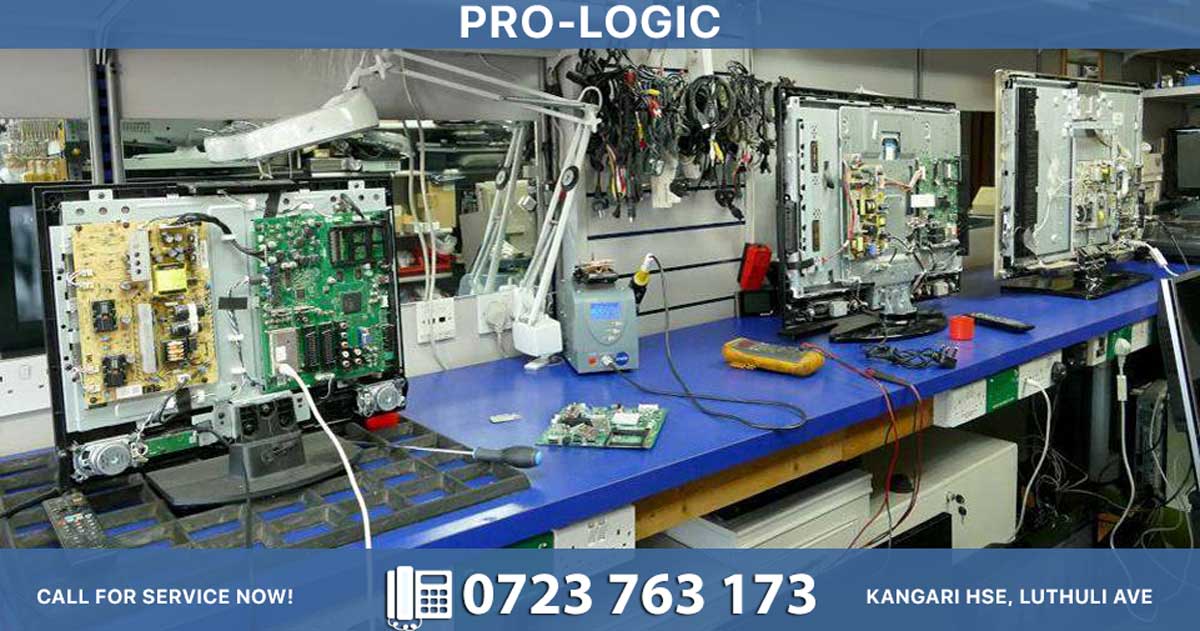
DIY TV Repair: When to Fix It Yourself and When to Call a Technician
Television repair is an essential skill for anyone who wants to save money on costly repairs or avoid the hassle of waiting for a technician. However, not all TV issues are suitable for a DIY fix, and there are times when calling a professional is the best course of action. This article will guide you through when it’s appropriate to attempt a DIY TV repair and when it’s better to leave it to an expert.
Common TV Issues You Can Fix Yourself
There are several TV problems that can often be addressed without the need for professional help. These repairs are typically straightforward and require basic tools. Below are some common issues you can fix yourself:
1. TV Won’t Turn On
A TV that refuses to power on is a common problem. Before calling a technician, check the following:
- Power Source: Ensure the TV is properly plugged into a working power outlet. You can test the outlet by plugging in another device.
- Remote Control: Test the remote’s batteries or try turning on the TV manually using the power button.
- Loose Cables: Make sure the power cable and any other connected cables are secure.
If the issue persists, you may need to inspect the internal power supply or fuse, which may require advanced skills.
2. No Picture, but Sound Works
If your TV displays sound but no image, you can troubleshoot a few common causes:
- Brightness Settings: Check the brightness and contrast settings, as they might have been accidentally turned down too low.
- Input Source: Ensure that the correct input source (HDMI, VGA, etc.) is selected. Sometimes, a disconnected cable or wrong source selection can result in a blank screen.
- Backlight: In LED and LCD TVs, a malfunctioning backlight might be the culprit. Replacing the backlight requires some technical knowledge but is manageable for experienced DIYers.
3. Picture and Sound Are Out of Sync
Audio-video sync problems can often be corrected with a few simple steps. If the issue is caused by a software glitch, reset the TV to factory settings or update the firmware. Many modern TVs offer an audio delay adjustment setting that can help align sound and picture.
4. Minor Cable or Connector Issues
Loose, frayed, or damaged cables are often the source of many display and connectivity problems. Replacing HDMI cables, VGA cables, or connectors can easily be done by most TV owners. Always ensure you are using high-quality replacement cables to avoid future issues.
When to Call a Technician
While DIY fixes can save you time and money, some TV problems require expert knowledge and advanced tools. Below are some situations where calling a professional technician is the best option.
1. No Power or Internal Electrical Problems
If your TV won’t turn on despite checking all external factors like the power source and cable connections, the issue could be an internal electrical failure, such as a blown fuse or a damaged power board. These repairs require a trained technician who can safely handle electrical components.
2. Cracked or Damaged Screen
A cracked or shattered screen is typically beyond the scope of a DIY repair. Unless you have experience working with specialized glass and replacement screens, this kind of damage requires professional repair or a screen replacement, which can be expensive but necessary.
3. TV Turns On But Displays a Flickering Screen or Distorted Image
Flickering or distorted images often indicate a problem with the TV's internal components, such as the motherboard, screen panel, or graphics processor. These problems usually require advanced diagnostic equipment and expertise to fix.
4. Overheating or Burning Smell
If your TV emits a burning smell or begins to overheat during use, it is important to call a technician immediately. Overheating can damage internal components and, in some cases, pose a fire hazard. A professional technician can diagnose the cause of the overheating and replace the affected parts to prevent further damage.
5. Sound Issues with No Visible Damage
If your TV has sound problems but the picture is clear and the device isn’t experiencing other issues, there could be an internal audio board problem. Fixing this issue typically requires replacing specific components or wiring inside the TV, which should be handled by a trained technician.
Tips for DIY TV Repair
If you decide to attempt DIY repairs, keep the following tips in mind to ensure safety and avoid further damage:
1. Turn Off the TV and Unplug It
Always unplug the TV before attempting any repairs to avoid the risk of electrical shock or further damage to the TV.
2. Use the Right Tools
Using the correct tools for the job is crucial. Avoid makeshift tools that can damage delicate internal components. Invest in a small toolkit designed for electronics, which will include screwdrivers, tweezers, and other essential tools.
3. Be Patient and Take Your Time
Some TV issues can take time to diagnose, and rushing the process can lead to mistakes. Take your time to research the problem and follow instructions carefully before making any repairs.
4. Watch Tutorials and Seek Guidance
There are plenty of online resources and video tutorials available for common TV repair problems. Before you start fixing the issue, take the time to watch videos or read guides specific to your TV brand and model.
5. Know When to Stop
If at any point you feel unsure about a repair or if the issue seems to be beyond your ability to fix, stop and contact a technician. Attempting complex repairs without the right knowledge can cause irreparable damage to your TV.
DIY TV repairs can save money and offer a sense of accomplishment, but not all issues are suitable for home fixes. If you're dealing with minor issues like a malfunctioning remote or poor picture quality, a DIY approach can often work. However, for more serious problems involving internal components or safety concerns, it’s always best to call a professional technician.
Knowing when to fix your TV yourself and when to seek expert help will not only ensure the longevity of your TV but also save you from costly mistakes. Always assess the problem carefully and never attempt repairs that could endanger your safety or cause further damage to your TV.
Would you like help finding a technician or more tips on specific TV repairs? Let me know how I can assist you